
Retinal diseases can cause serious vision problems if not found early. The retina is a thin layer at the back of your eye. It helps you see by sending signals to your brain. If the retina is damaged, you may lose your vision. Therefore, it is important to know how to detect retinal diseases early and prevent vision loss. Early action can save your sight and improve your quality of life.
What Are Retinal Diseases?
Retinal diseases are problems that affect the retina. The retina is a key part of your eye. It helps you see shapes, colors, and details. Some common retinal diseases include:
Each of these diseases can harm your vision. However, early detection can help slow or stop vision loss.
Common Symptoms of Retinal Diseases
It is important to watch for signs of retinal problems. Early symptoms may be mild, but they can get worse over time. For example, you may notice:
If you notice any of these symptoms, you should see an eye doctor right away. Quick action can help prevent further damage.
Causes and Risk Factors
Many things can increase your risk of retinal diseases. For instance, some common causes and risk factors include:
Because some risk factors cannot be changed, regular eye exams are very important. However, you can lower your risk by managing your health and avoiding smoking.
How to Detect Retinal Diseases Early
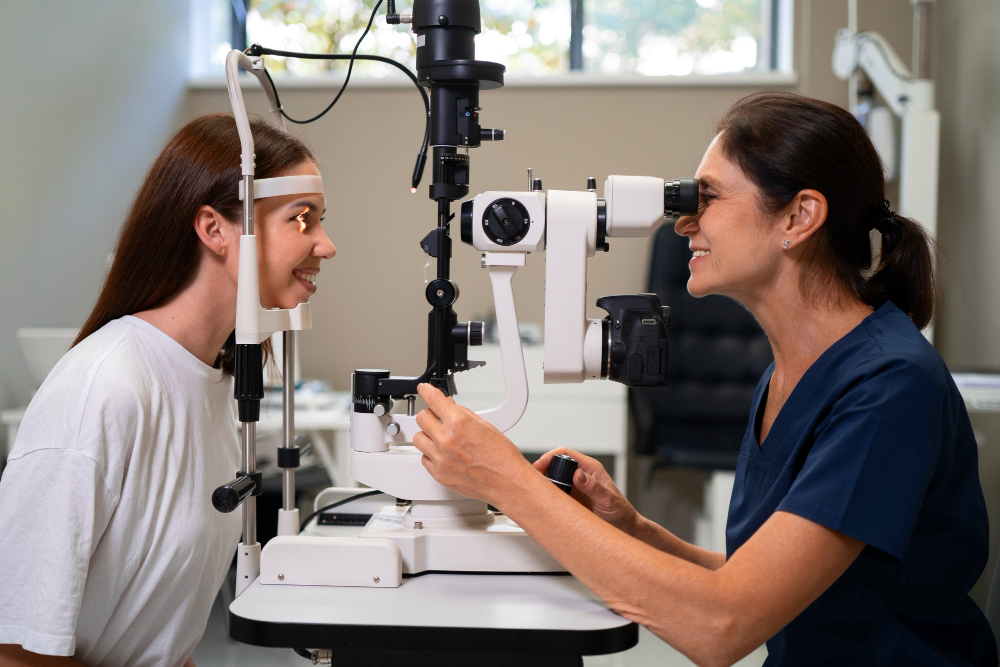
Early detection is key to preventing vision loss. You should have regular eye exams, even if you do not have symptoms. In addition, you should tell your doctor about any changes in your vision. Early signs may be easy to miss, but eye doctors can find problems before you notice them.
With regular check-ups, you can catch retinal diseases early and protect your sight.
Diagnostic Methods and Eye Exams
Eye doctors use several tests to check your retina. For example, they may use:
These tests are safe and painless. They help doctors find problems early, even before you notice symptoms.
Prevention Tips for Vision Loss
There are steps you can take to lower your risk of vision loss. For instance, you should:
By following these tips, you can help keep your eyes healthy and reduce your risk of retinal diseases.
Lifestyle and Eye Health Guidance
Healthy habits can make a big difference for your eyes. For example, you should:
In addition, regular sleep helps your eyes recover each day. Small changes in your daily routine can help protect your vision for years to come.
When to See an Eye Specialist
It is important to know when to seek help. You should see an eye specialist at Arka Advanced Eye Care if you:
Even if you have no symptoms, regular eye exams are still important. Early visits can help catch problems before they become serious.
Consult Arka Advanced Eye Care for personalized advice and regular eye exams to protect your vision.