
What is Glaucoma?
Glaucoma is an eye disease that damages the optic nerve. This nerve sends images from your eye to your brain. When glaucoma develops, it often raises the pressure inside your eye. This is called eye pressure or intraocular pressure. Over time, high eye pressure can harm the optic nerve. As a result, vision loss from glaucoma can happen if it is not treated. Glaucoma is a leading cause of blindness worldwide, according to the World Health Organization (WHO).
How Glaucoma Damages Your Vision
Glaucoma usually starts by affecting your side vision. At first, you may not notice any changes. However, as the disease gets worse, you might lose more of your vision. Eventually, it can lead to tunnel vision or even blindness. Because glaucoma often has no early warning signs, many people do not know they have it. That is why regular eye exams are important. Early treatment can help slow or stop vision loss from glaucoma.
Common Symptoms of Glaucoma
Most people with glaucoma do not feel pain or notice symptoms early on. Still, some signs may appear as the disease progresses. For example, you might notice:
However, not everyone will have these symptoms. Therefore, regular eye check-ups are the best way to catch glaucoma early.
Diagnosis: How Doctors Detect Glaucoma
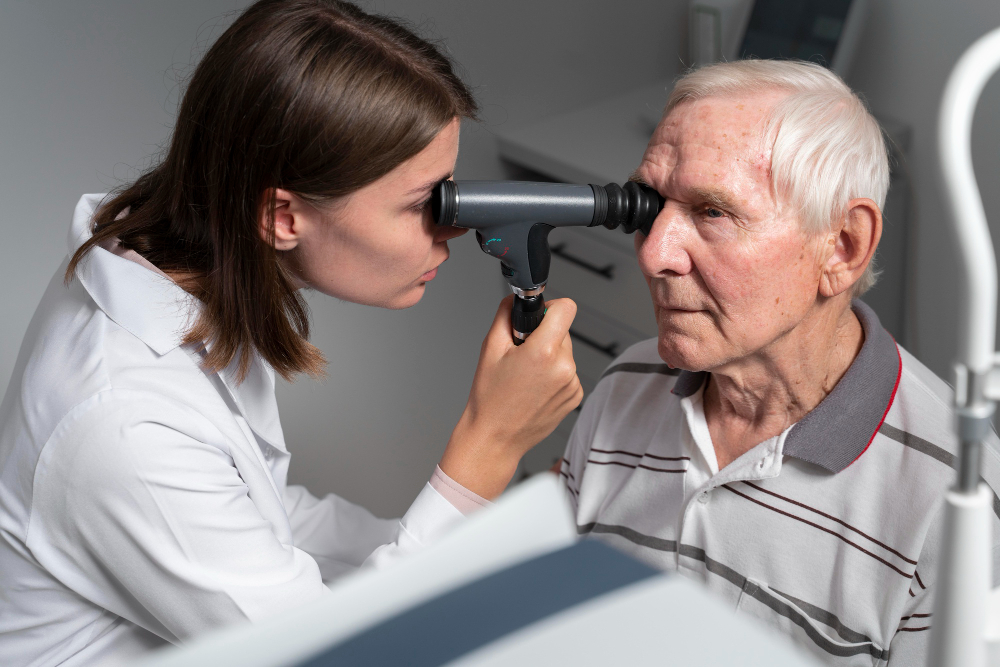
Doctors use several tests to check for glaucoma. First, they measure your eye pressure. Next, they look at your optic nerve for signs of damage. They may also test your side vision. In addition, doctors use special tools to see inside your eye. These tests are quick and painless. Early diagnosis is key to preventing vision loss from glaucoma.
Treatment Options for Glaucoma
There are several ways to treat glaucoma. The main goal is to lower eye pressure and protect your vision. Treatment options include:
With regular treatment, many people can slow or stop vision loss from glaucoma. But, it is important to follow your doctor’s advice and take your medicine as prescribed.
Tips to Protect Your Eyesight
Although you cannot always prevent glaucoma, you can take steps to protect your eyes. For instance:
Because early action matters, these steps can help keep your vision safe.
Preventing Vision Loss from Glaucoma
While you cannot cure glaucoma, you can prevent severe vision loss. Early detection and treatment are the best ways to protect your eyesight. Therefore, see an eye doctor at Arka Advanced Eye Care regularly, even if you feel fine. If you notice any changes in your vision, seek help right away. Remember, vision loss from glaucoma cannot be reversed, but it can be slowed or stopped with proper care.
For personalized advice about glaucoma and vision health, consult Arka Advanced Eye Care. Protect your sight and stay informed about your eye health.