
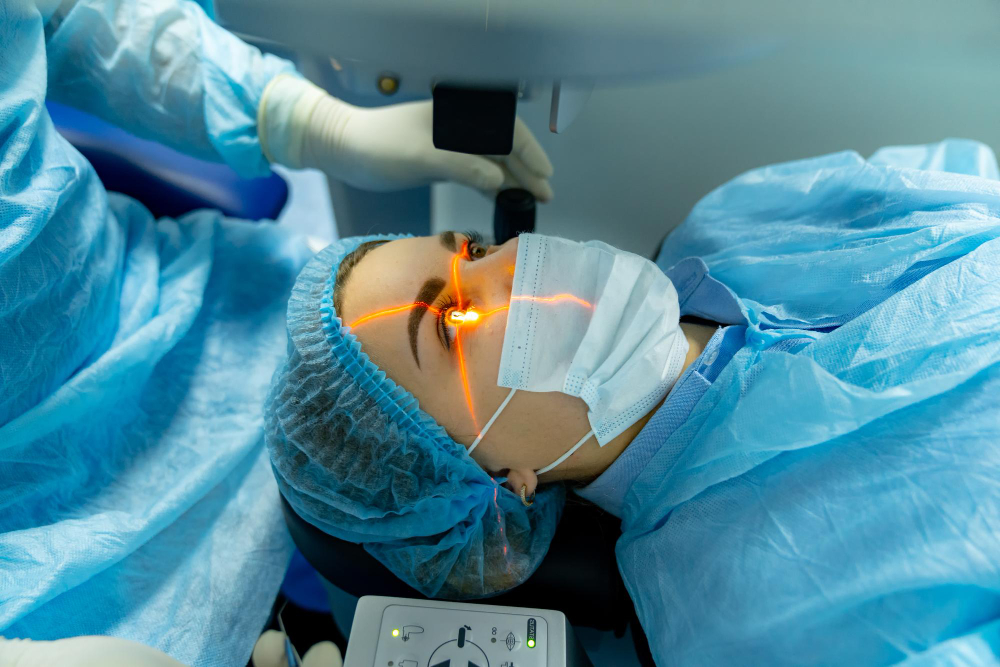
Introduction
Diabetic retinopathy is a common eye problem in people with diabetes. It happens when high blood sugar damages the tiny blood vessels in the retina, which is the part of the eye that helps you see. If not treated, diabetic retinopathy can lead to vision loss. Retinal surgery for diabetic retinopathy is a treatment that can help save your sight. This blog explains what you need to know about this surgery, other treatment options, and how to prevent diabetic eye disease.
Symptoms and Risks of Diabetic Retinopathy
At first, diabetic retinopathy may not cause any symptoms. However, as the condition gets worse, you may notice changes in your vision. For example, you might see blurry spots or have trouble seeing at night. Sometimes, you may see dark shapes floating in your vision, called floaters. If you notice any of these signs, it is important to see an eye doctor right away.
People with diabetes are at higher risk for this eye disease. The longer you have diabetes, the greater your risk. Poor blood sugar control, high blood pressure, and high cholesterol can also increase your chances of developing diabetic retinopathy. According to the CDC, diabetic retinopathy is a leading cause of blindness in adults.
When is Retinal Surgery Needed?
Not everyone with diabetic retinopathy needs surgery. In many cases, early stages can be managed with regular eye exams and good blood sugar control. However, sometimes the disease becomes severe. For instance, if there is bleeding inside the eye or scar tissue pulling on the retina, surgery may be needed. Your eye doctor will recommend retinal surgery for diabetic retinopathy if other treatments do not work or if your vision is at risk.
Types of Retinal Surgery for Diabetic Retinopathy
There are different types of retinal surgery for diabetic retinopathy. The choice depends on your eye condition and the severity of the disease. Here are the most common options:
Each surgery has its own risks and benefits. Your doctor will explain which option is best for you.
What to Expect Before, During, and After Surgery
Before surgery, your doctor will check your eyes and talk about your health. You may need to stop certain medicines or follow special instructions. During the procedure, you will get medicine to help you relax or sleep. Most surgeries take one to two hours. After surgery, you may need to wear an eye patch and use eye drops to prevent infection. Recovery times can vary, but many people return to normal activities within a few weeks.
With proper care, many people see improvement in their vision. However, some may need more than one treatment. Always ask your doctor about what to expect during retinal surgery recovery.
Prevention Tips and Lifestyle Guidance
Although surgery can help, preventing diabetic retinopathy is the best way to protect your eyes. Here are some simple tips to lower your risk:
By following these steps, you can help prevent diabetic retinopathy and keep your eyes healthy. The American Diabetes Association recommends regular eye exams for all people with diabetes.
Frequently Asked Questions
Conclusion and Call-to-Action
In summary, retinal surgery for diabetic retinopathy can help save your vision if you have severe diabetic eye disease. Early detection and good diabetes management are key to preventing problems. If you have diabetes, schedule regular eye exams and talk to your doctor about your risk.
Consult Arka Advanced Eye Care for personalized advice on diabetic retinopathy and retinal surgery. Protect your vision with timely care and expert guidance.