
Introduction
Glaucoma is a group of eye diseases that damage the optic nerve. This nerve sends signals from your eye to your brain. Because glaucoma often has no early signs, it is a leading cause of blindness worldwide. Early detection and treatment can help protect your vision. According to the World Health Organization (WHO), millions of people live with glaucoma, but many do not know they have it. For this reason, learning about glaucoma is very important.
Symptoms
Most types of glaucoma develop slowly. Often, there are no warning signs at first. However, as the disease progresses, you may notice changes. For example, you might see:
Because symptoms can be mild or absent, regular eye exams are key. If you notice any of these glaucoma symptoms, see an eye doctor right away.
Causes and Risk Factors
Glaucoma usually happens when fluid builds up in the front part of the eye. This extra fluid increases eye pressure, which can damage the optic nerve. Still, not everyone with high eye pressure gets glaucoma. Some people develop glaucoma even with normal pressure. Several factors can raise your risk, such as:
Because some risk factors cannot be changed, regular check-ups are important for early detection.
Diagnosis
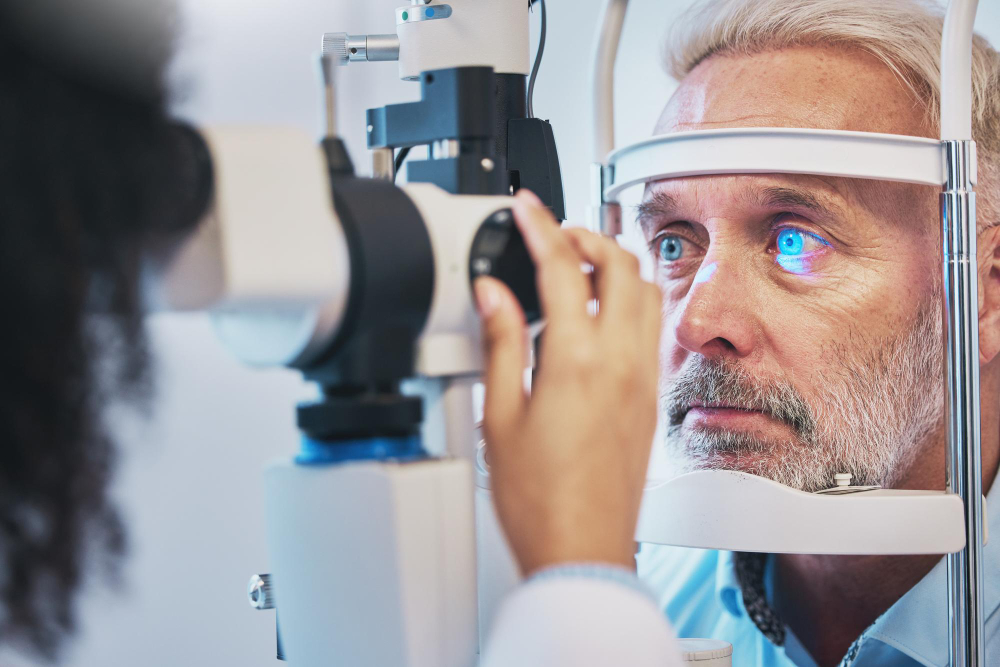
Doctors use several tests to find out if you have glaucoma. If you wonder, “How is glaucoma diagnosed?” here are the main steps:
Because glaucoma can be silent, these tests are vital. Your eye doctor may repeat them over time to track any changes.
Treatment Options
While there is no cure for glaucoma, treatment can slow or stop vision loss. Glaucoma treatment options depend on the type and stage of the disease. Common treatments include:
Because each person is different, your doctor will suggest the best plan for you. Early treatment gives the best chance to save your sight.
Prevention Tips
Although you cannot always prevent glaucoma, you can lower your risk. Here are some tips for preventing glaucoma:
Because early action matters, do not skip your eye check-ups.
Lifestyle Guidance for Patients
Living with glaucoma can be challenging, but you can take steps to protect your vision. For example, you should:
Because support is important, talk to friends and family about your condition. They can help you manage daily tasks and remind you to take your medicine.
Conclusion
Glaucoma is a serious eye disease, but early detection and treatment can help protect your vision. Because symptoms may not appear until late, regular eye exams are very important. If you have any concerns or notice changes in your vision, consult an eye specialist at Arka Advanced Eye Care for personalized advice.