
What is Diabetic Retinopathy?
Diabetic retinopathy is an eye disease that affects people with diabetes. It happens when high blood sugar damages the tiny blood vessels in the retina. The retina is the part of your eye that senses light and helps you see. In the United States, diabetic retinopathy is a leading cause of vision loss. Early detection and treatment for diabetic eye disease can help protect your sight.
Causes of Diabetic Retinopathy
Diabetic retinopathy develops because high blood sugar harms the blood vessels in your eyes. Over time, these vessels can leak fluid or bleed. Sometimes, new weak blood vessels grow, which can also cause problems. Several factors can increase your risk:
Therefore, managing your diabetes is key to lowering your risk.
Common Symptoms
At first, diabetic retinopathy may not cause any symptoms. However, as the disease gets worse, you may notice changes in your vision. Watch for these signs:
If you notice any of these symptoms, see an eye doctor right away. Early treatment can help prevent vision loss.
How Diabetic Retinopathy is Diagnosed
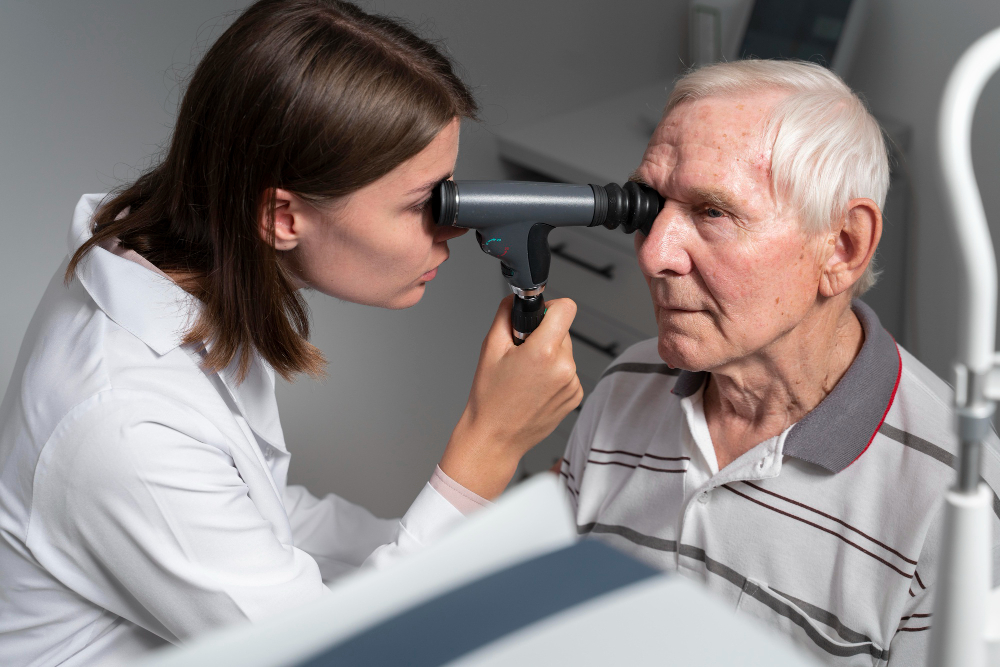
Doctors use a simple eye exam to check for diabetic retinopathy. During the exam, your eyes may be dilated with drops. This helps the doctor see the back of your eye more clearly. Sometimes, special pictures of your retina are taken. These tests help spot early changes, even before you notice symptoms. Regular eye exams are important for anyone with diabetes.
Treatment Options
Treatment for diabetic eye disease depends on how severe it is. For mild cases, better blood sugar control may slow the disease. However, if the disease is advanced, your doctor may suggest:
With prompt treatment, many people can keep their vision. Still, regular follow-up is needed to monitor your eyes.
Prevention Tips and Lifestyle Guidance
Although diabetic retinopathy is serious, you can take steps to lower your risk. Here are some tips for preventing diabetic retinopathy:
By following these steps, you can help protect your eyes and overall health.
When to See an Eye Specialist
If you have diabetes, schedule a complete eye exam at least once a year. However, see an eye specialist sooner if you notice any vision changes. Early detection makes treatment more effective. Remember, many people do not notice symptoms until the disease is advanced. Therefore, regular check-ups are very important.
In summary, diabetic retinopathy can lead to vision loss if not treated. But with good diabetes control and regular eye exams, you can help prevent serious problems. Consult an eye specialist at Arka Advanced Eye Care for personalized advice and early detection of diabetic retinopathy.