
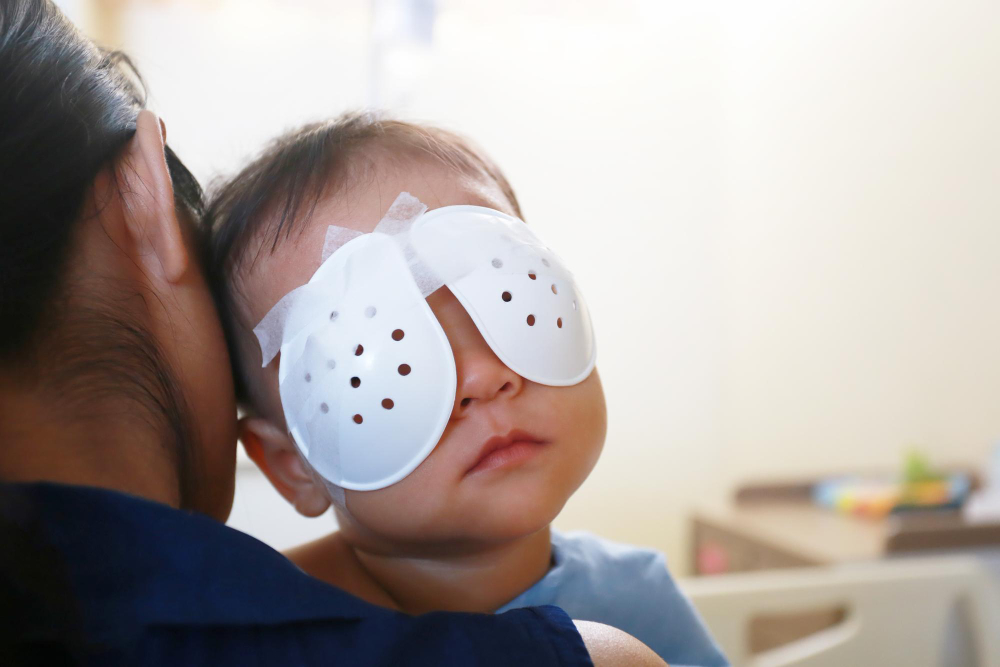
What is Retinopathy of Prematurity (ROP)?
Retinopathy of Prematurity (ROP) is an eye disease that affects some premature babies. It happens when blood vessels in the eye do not grow normally. Because of this, ROP can lead to vision problems or even blindness. However, early detection and treatment can help prevent serious issues. According to the World Health Organization (WHO), ROP is a leading cause of childhood blindness worldwide.
Causes and Risk Factors
ROP mainly affects babies born too early or with very low birth weight. When a baby is born before 31 weeks or weighs less than 1500 grams, the risk increases. But, other factors can also play a role. For example, high oxygen levels in the hospital, infections, or breathing problems may raise the risk. In addition, babies who need long-term oxygen support are more likely to develop ROP.
Because of these risks, doctors closely monitor premature infants for signs of ROP.
Common Symptoms and Warning Signs
In the early stages, ROP usually does not cause any obvious symptoms. Babies cannot tell us if they have vision problems. Therefore, regular eye exams are very important. As ROP gets worse, some warning signs may appear. For instance, you might notice:
However, these signs often show up late. So, timely ROP screening is key to catching the disease early.
Diagnosis and Screening Methods
Doctors use special eye exams to check for ROP in premature infants. Usually, a pediatric ophthalmologist examines the baby’s eyes with a tool called an indirect ophthalmoscope. This exam is safe and does not hurt the baby. In many hospitals, ROP screening starts a few weeks after birth. The timing depends on how early the baby was born.
Because early diagnosis helps prevent blindness in premature babies, regular ROP screening is very important.
Treatment Options
Not all babies with ROP need treatment. In mild cases, the disease may go away on its own. But, if ROP is severe, doctors may suggest treatment to stop it from getting worse. Common ROP treatment options include:
Because each baby is different, doctors choose the best treatment based on the stage of ROP. Early treatment can greatly improve the chances of saving vision.
Prevention and Parental Guidance
While not all cases of ROP can be prevented, some steps can lower the risk. For example, careful control of oxygen levels in the hospital helps. In addition, regular ROP screening for all at-risk babies is vital. Parents can also help by:
Because early action is so important, parents should stay informed and work closely with their child’s healthcare team.
Frequently Asked Questions (FAQs)
Can ROP cause blindness?
Yes, if not treated, severe ROP can lead to blindness. However, early detection and treatment can prevent most cases of vision loss.
Who needs ROP screening?
All babies born before 31 weeks or weighing less than 1500 grams should have ROP screening. Some larger or older babies with health problems may also need screening.
Is ROP treatment painful for babies?
Doctors use special care to keep babies comfortable during treatment. Most procedures are quick and safe.
Can ROP come back after treatment?
Sometimes, ROP can return. Therefore, follow-up eye exams are important even after treatment.
How can parents help prevent ROP?
While parents cannot control all risk factors, attending all eye exams and following medical advice can help protect their baby’s vision.
If you suspect your child may be at risk for ROP, consult a pediatric ophthalmologist at Arka Advanced Eye Care for expert guidance. Early care can make a big difference in your baby’s future vision.