
What is Retinal Artery Occlusion?
Retinal artery occlusion is a serious eye condition. It happens when blood flow to the retina is blocked. The retina is the thin layer at the back of your eye. It helps you see by sending signals to your brain. When blood cannot reach the retina, vision loss can occur. This condition is sometimes called an “eye stroke.” Early treatment is important to help protect your sight.
Causes of Retinal Artery Occlusion
Several factors can cause retinal artery occlusion. Most often, a small clot or fatty deposit blocks the artery. This stops blood from reaching the retina. Sometimes, other health problems raise your risk. For example, high blood pressure or heart disease can play a role. In addition, diabetes and high cholesterol may increase your chances. Smoking is also a known risk factor.
According to the American Academy of Ophthalmology, these risk factors are common in people with retinal artery occlusion.
Symptoms to Watch For
Retinal artery occlusion symptoms often appear suddenly. Usually, people notice a painless loss of vision in one eye. Sometimes, the vision loss is complete. Other times, it may be partial. For example, you might see a shadow or dark area. In rare cases, vision may come and go. However, most people lose vision quickly and do not feel pain.
If you notice any of these symptoms, seek medical help right away. Quick action can make a difference.
How is Retinal Artery Occlusion Diagnosed?
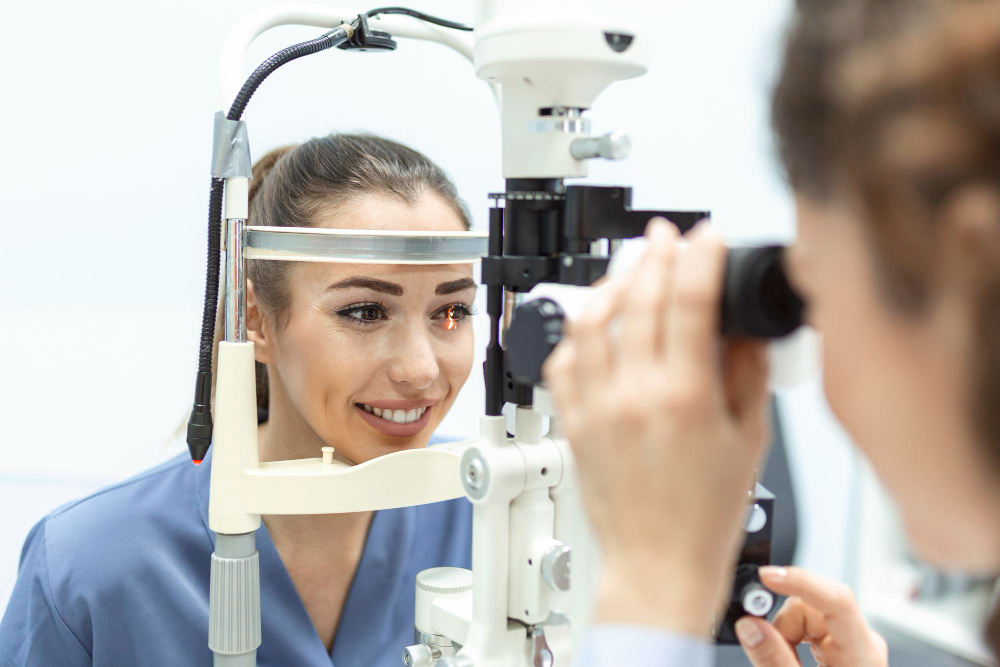
Doctors use several tests to diagnose retinal artery occlusion. First, they will ask about your symptoms and health history. Next, they will examine your eyes. Often, they use a special light to look at the retina. This test is called an eye exam or fundus exam. In addition, doctors may use imaging tests. For example, a fluorescein angiography shows blood flow in the retina. Sometimes, an optical coherence tomography (OCT) scan helps check for swelling or damage.
Early diagnosis gives you the best chance to protect your vision.
Treatment Options
Retinal artery occlusion treatment works best when started quickly. Unfortunately, there is no guaranteed way to restore lost vision. However, some treatments may help limit damage. For example, doctors may try to lower eye pressure. They might use eye drops, gentle eye massage, or remove fluid from the eye. In some cases, breathing in a mixture of carbon dioxide and oxygen can help. This may widen blood vessels and improve blood flow. Your doctor will also treat any underlying health problems, such as high blood pressure or diabetes.
According to the American Heart Association, treating the cause is important to prevent future problems.
Prevention and Lifestyle Tips
While you cannot always prevent retinal artery occlusion, healthy habits can lower your risk. For instance, managing health conditions is key. In addition, making lifestyle changes can help protect your eyes.
These steps can help keep your eyes and body healthy.
When to See an Eye Specialist
If you notice sudden vision changes, do not wait. Even if the vision loss goes away, it is important to see an eye specialist right away. Early treatment can help prevent further damage. In summary, quick action gives you the best chance to save your sight.
Consult an eye specialist promptly at Arka Advanced Eye Care if you notice sudden vision changes.