
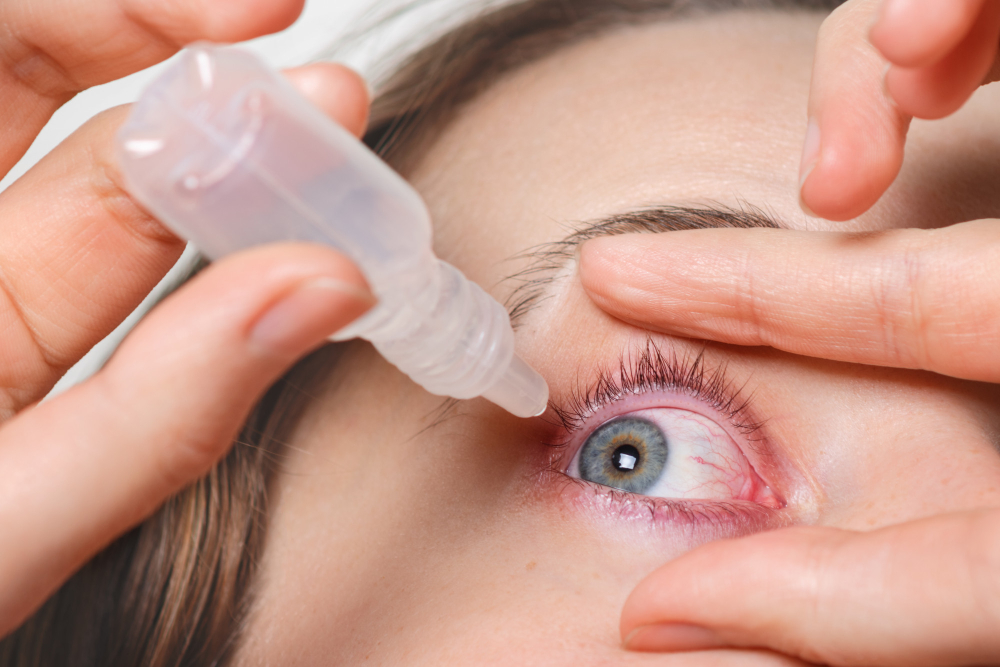
What is Dry Eye Disease (DED)?
Dry eye disease, also called DED, is a common eye condition. It happens when your eyes do not make enough tears, or the tears dry up too quickly. Because of this, your eyes may feel uncomfortable or look red. In many cases, dry eye disease can affect your daily life. For example, you may find it hard to read, use a computer, or drive at night. According to the World Health Organization, millions of people worldwide have dry eye disease. Although it is not usually serious, it can cause lasting problems if left untreated.
Common Symptoms of DED
Dry eye disease can cause many symptoms. Some people may notice only mild discomfort, while others feel more severe effects. However, knowing the signs can help you get help sooner. Common DED symptoms include:
Sometimes, symptoms get worse in dry or windy places. In addition, air conditioning or heating can make dry eyes feel more uncomfortable.
Causes and Risk Factors
There are many reasons why dry eye disease can develop. For instance, your body may not make enough tears. Or, your tears may not stay on your eyes long enough. Some common causes and risk factors include:
Because many factors can lead to dry eye disease, it is important to know your risks. If you have any of these risk factors, you may want to take extra care of your eyes.
How DED is Diagnosed
If you think you have dry eye disease, an eye specialist can help. First, the doctor will ask about your symptoms and health history. Next, they may check your eyes with a special light. Sometimes, they use simple tests to measure your tears. For example, they might use a small strip of paper to see how much moisture your eyes produce. In some cases, they may use colored eye drops to look for damage on the eye surface. Because early diagnosis can prevent problems, it is best to see a doctor if you notice symptoms.
Treatment Options for DED
There are many ways to treat dry eye disease. The right treatment depends on how severe your symptoms are. Some common treatment options include:
In addition, your doctor may suggest other treatments if your dry eye disease does not improve. For example, they may recommend light therapy or special eye masks. Always follow your doctor’s advice for the best results.
Lifestyle Tips and Prevention
While treatment helps, simple lifestyle changes can also prevent or reduce dry eye symptoms. Here are some helpful tips:
Because prevention is easier than treatment, these habits can help keep your eyes healthy. If you notice your eyes feel dry, try these tips to see if they help.
When to See an Eye Specialist
Sometimes, dry eye disease can become serious. If your symptoms do not get better with home care, it is time to see an eye specialist. You should also seek help if you have:
Early treatment can prevent lasting damage. Therefore, do not wait if you are worried about your eyes.
If you have symptoms of dry eye disease, consult an eye specialist at Arka Advanced Eye Care for personalized advice. Early care can help protect your vision and comfort.