
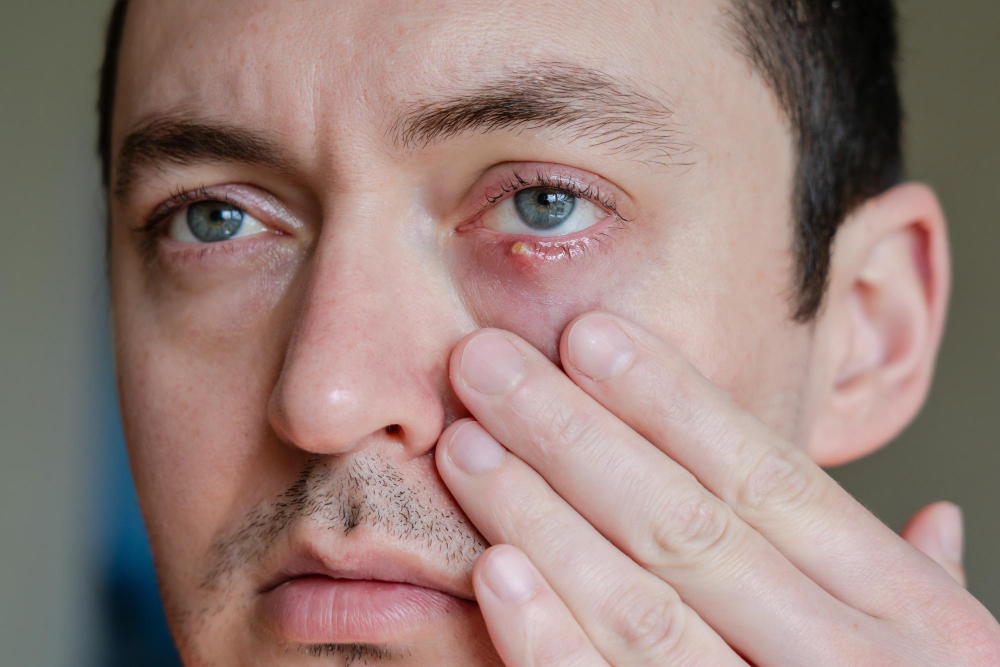
What Is Blepharitis?
Blepharitis is a common eye condition. It causes swelling and redness of the eyelids. Often, it affects both eyes. Blepharitis & eyelid hygiene are closely linked. Good eyelid care can help control symptoms. According to the CDC, blepharitis is not usually serious, but it can be uncomfortable. It may also lead to other eye problems if left untreated.
How Does Blepharitis Affect Eye Health?
Blepharitis can make your eyes feel itchy or gritty. Sometimes, it causes burning or stinging. In some cases, it can lead to dry eyes or blurry vision. Because the eyelids protect your eyes, poor eyelid health can affect your overall eye comfort. With proper eyelid hygiene, you can reduce the risk of long-term problems.
Common Symptoms and Signs
Blepharitis has several signs. Early recognition helps with faster care. For example, you may notice:
Sometimes, symptoms come and go. However, ongoing discomfort should not be ignored.
Main Causes and Risk Factors
Several things can cause blepharitis. Most often, it happens when oil glands near the base of the eyelashes get blocked. In addition, bacteria or skin conditions can play a role. Common causes and risk factors include:
Because some people are more prone to skin issues, they may have a higher risk.
How Is Blepharitis Diagnosed?
Doctors can usually diagnose blepharitis during an eye exam. First, they will ask about your symptoms. Next, they will look closely at your eyelids and lashes. Sometimes, they may use a special light or magnifier. In rare cases, a sample of eyelid crust may be tested for bacteria. Early diagnosis helps prevent complications.
Effective Eyelid Hygiene Practices
Good eyelid hygiene is key to managing blepharitis. For best results, follow these steps daily:
Because regular cleaning helps reduce bacteria and oil buildup, it can ease symptoms. In addition, avoid sharing towels or eye makeup to lower the risk of infection.
Blepharitis Treatment Options
While eyelid hygiene is the main treatment, other options may help. Depending on your symptoms, your doctor may suggest:
For severe cases, oral antibiotics may be needed. However, never start treatment without a doctor’s advice. According to the American Academy of Ophthalmology, most people improve with daily care and proper treatment.
Prevention Tips and Lifestyle Guidance
Although blepharitis can return, you can lower your risk. Try these prevention tips:
Because healthy habits support eye health, they can help prevent flare-ups. If you wear contact lenses, follow your eye care provider’s cleaning instructions closely.
When to Seek Medical Advice
Sometimes, home care is not enough. You should see an eye care specialist if:
Early treatment can prevent serious problems. Therefore, do not delay if you are concerned about your eyes.
Conclusion
Blepharitis & eyelid hygiene are important for healthy eyes. With daily care and the right treatment, most people can control symptoms. For persistent discomfort, visit Arka Advanced Eye Care for expert advice on blepharitis and eyelid hygiene tailored to your needs.