
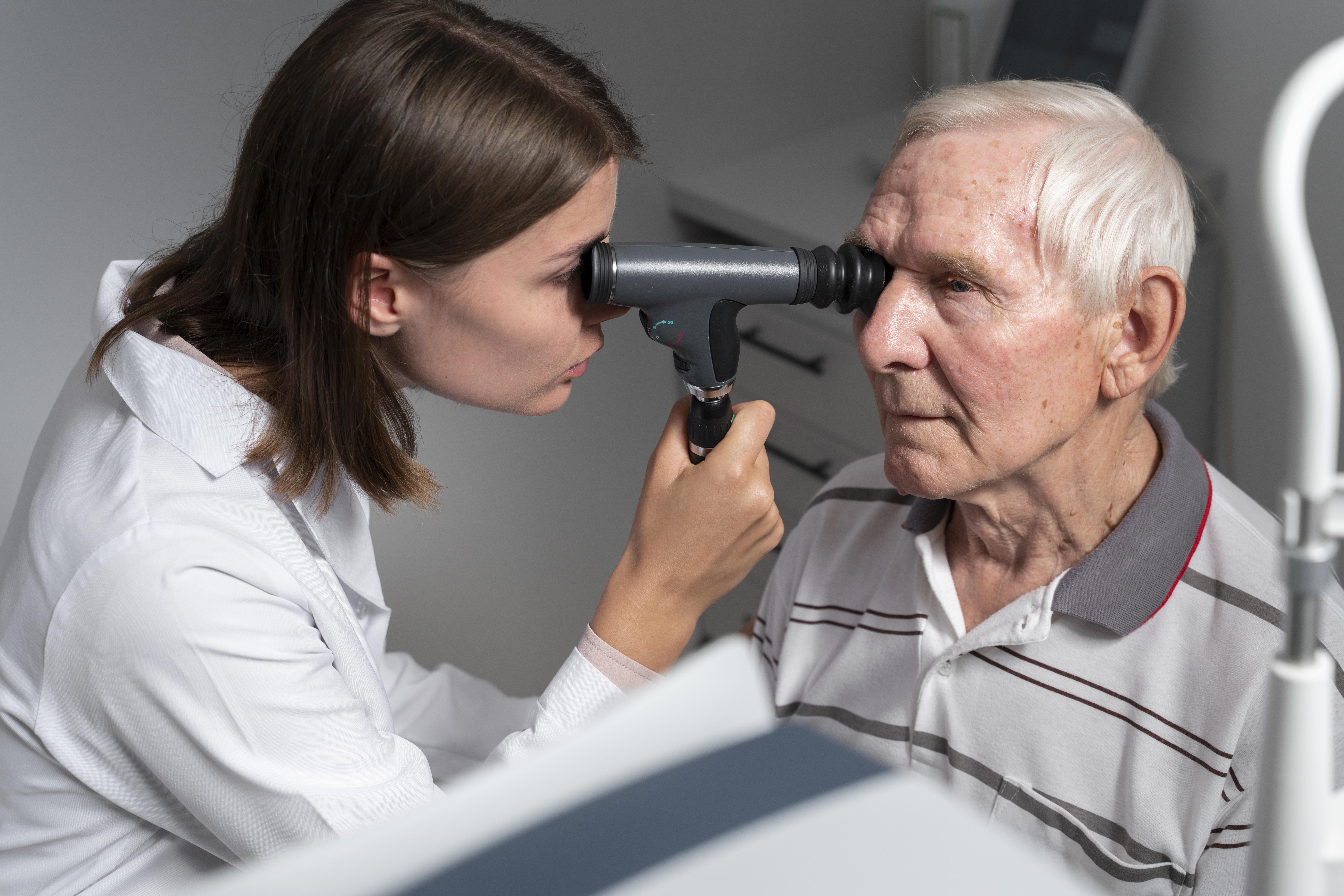
Glaucoma screening is a simple way to protect your vision. Regular eye exams help with early detection of glaucoma, which is a leading cause of blindness. Because glaucoma often has no early signs, many people do not know they have it. However, with routine eye health checkups, you can prevent vision loss and keep your eyes healthy. In this blog, we explain why glaucoma screening matters and how it can help you.
What is Glaucoma?
Glaucoma is an eye disease that damages the optic nerve. The optic nerve sends signals from your eye to your brain. When this nerve is harmed, you may slowly lose your vision. Often, glaucoma develops without pain or warning signs. For this reason, many people call it the “silent thief of sight.” According to the World Health Organization (WHO), glaucoma is a major cause of blindness worldwide.
Why is Glaucoma Screening Important?
Early detection of glaucoma is very important. Since the disease can cause vision loss before you notice any changes, regular screening is the best way to catch it early. If doctors find glaucoma soon, they can start treatment right away. This can slow down or even stop further vision loss. In addition, screening helps protect your overall eye health.
Who Should Get Screened?
Anyone can get glaucoma, but some people have a higher risk. Therefore, it is important to know if you need regular screening. You should get checked if you:
Even if you have no risk factors, regular eye exams are still important. Your eye doctor can tell you how often you should get screened based on your age and health.
What Happens During a Glaucoma Screening?
During a glaucoma screening, your eye doctor will check for signs of the disease. Usually, the exam includes several simple tests. For example, the doctor may:
Most tests are quick and do not hurt. Sometimes, the doctor may use drops to widen your pupils. This helps them see inside your eye more clearly.
Benefits of Regular Eye Exams
Regular eye exams offer many benefits. Not only do they help with early detection of glaucoma, but they also check for other eye problems. For instance, your doctor can find cataracts, macular degeneration, or signs of diabetes in your eyes. In addition, regular checkups help you keep your glasses or contact lens prescription up to date.
Prevention and Lifestyle Tips
While you cannot always prevent glaucoma, you can take steps to protect your eyes. For example, you can:
Because healthy habits support your overall well-being, they also help keep your eyes strong.
Frequently Asked Questions
In summary, regular glaucoma screening is a simple step that can protect your vision for life. Because early detection is key, do not wait for symptoms to appear. Schedule a comprehensive eye exam today and talk to your eye care professiona Arka advanced eye care for advice that fits your needs.