
What Is Glaucoma?
Glaucoma is an eye disease that damages the optic nerve. This nerve sends visual information from your eye to your brain. Often, glaucoma develops slowly and without pain. Because of this, many people do not notice it at first. However, if left untreated, glaucoma can lead to vision loss. According to the World Health Organization, glaucoma is a leading cause of blindness worldwide.
How Glaucoma Affects Vision
Usually, glaucoma increases pressure inside the eye. This extra pressure can harm the optic nerve over time. As a result, vision loss may start at the edges of your sight. For example, you might notice trouble seeing objects to the side. Over time, the vision loss can get worse. In some cases, it can even affect your central vision.
Can Glaucoma Cause Permanent Vision Loss?
Yes, glaucoma can cause permanent vision loss. Once the optic nerve is damaged, lost vision cannot be restored. Therefore, early detection and treatment are very important. While treatment can slow or stop further damage, it cannot bring back vision that is already lost. This is why regular eye exams are crucial, especially for people at higher risk.
Early Signs and Symptoms
Glaucoma is often called the “silent thief of sight” because it usually has no early symptoms. Still, some people may notice changes. For instance, you might experience:
However, many people do not notice any symptoms until the disease is advanced. Because of this, regular eye check-ups are important.
Diagnosis and Monitoring
Doctors use several tests to diagnose glaucoma. For example, they may measure eye pressure, check the optic nerve, and test your field of vision. In addition, they might use special imaging to look for changes in your eye. Regular monitoring helps track the disease and adjust treatment as needed. Early diagnosis can help prevent permanent vision loss.
Treatment Options
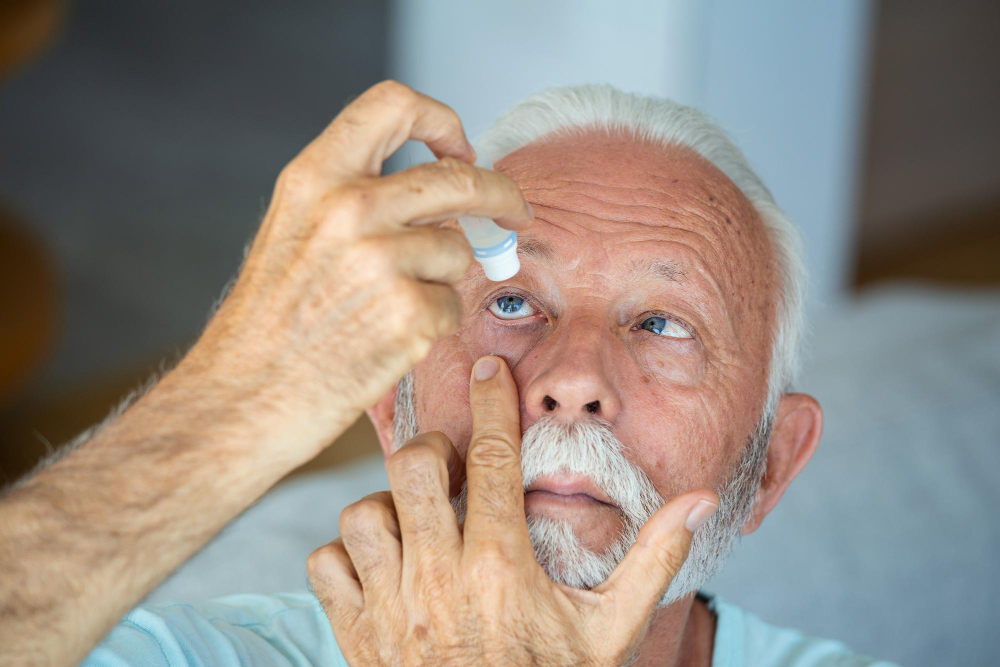
There are several ways to treat glaucoma. The main goal is to lower eye pressure and protect the optic nerve. Treatment options include:
With proper treatment, many people can slow or stop the progression of glaucoma. However, it is important to follow your doctor’s instructions closely.
Prevention and Lifestyle Tips
While you cannot always prevent glaucoma, you can lower your risk. Here are some helpful tips:
Additionally, knowing your family history can help. Some types of glaucoma run in families.
When to See an Eye Specialist
If you notice changes in your vision, do not wait. For example, sudden vision loss, eye pain, or seeing halos around lights are warning signs. Even if you have no symptoms, regular eye exams are important. Early detection can help prevent permanent vision loss from glaucoma.
Consult an eye specialist at Arka Advanced Eye Care for personalized advice and early intervention.