
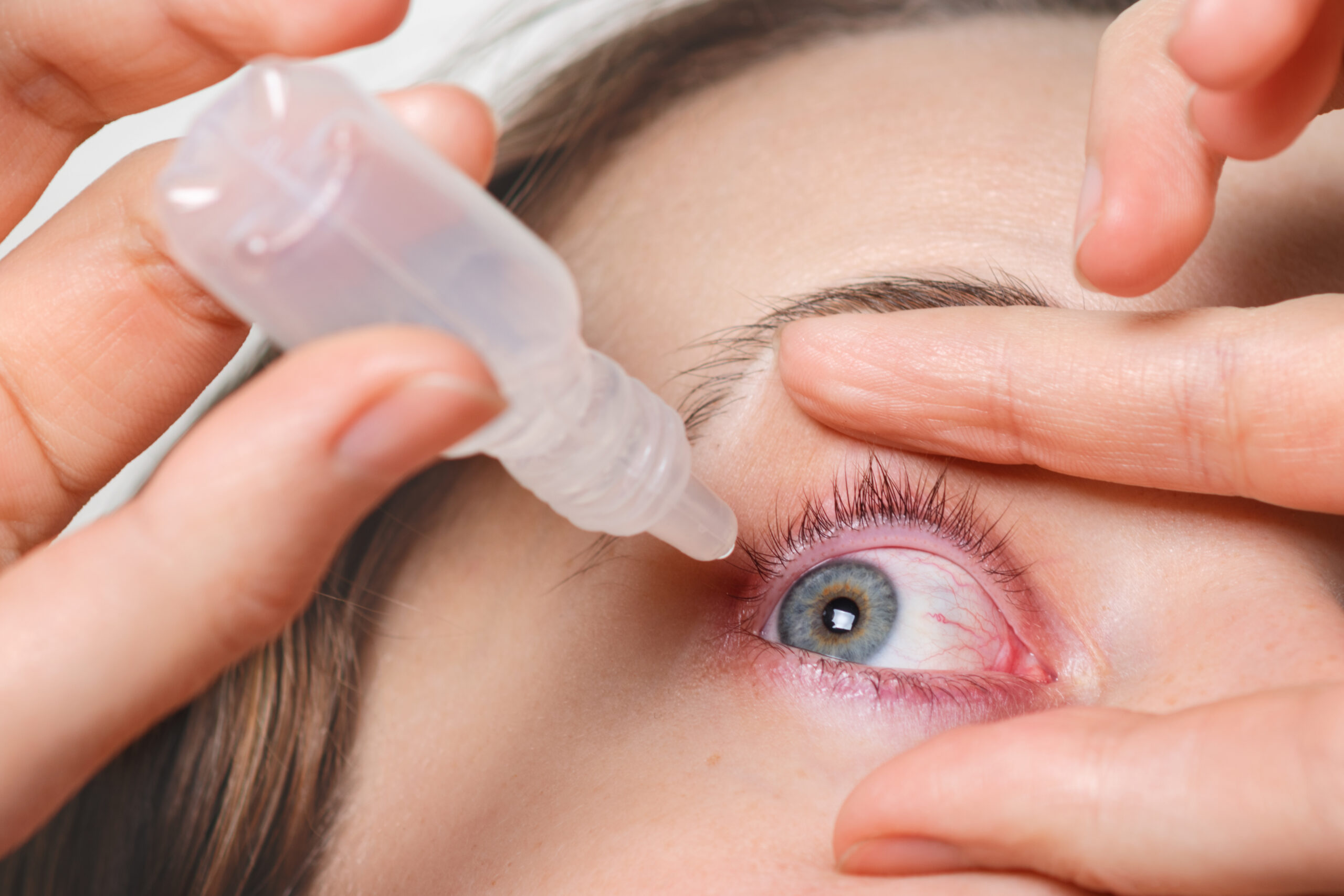
What is Dry Eye Syndrome?
Dry Eye Syndrome is a common eye condition. It happens when your eyes do not make enough tears or the tears dry up too quickly. As a result, your eyes may feel dry, gritty, or uncomfortable. According to the World Health Organization, millions of people worldwide experience dry eye symptoms. Although it is not usually serious, Dry Eye Syndrome can affect your daily life. For this reason, it is important to know the signs and seek relief for dry eyes early.
Common Symptoms of Dry Eye Syndrome
Many people with Dry Eye Syndrome notice certain symptoms. However, these symptoms can vary from person to person. If you have dry eyes, you may feel:
Sometimes, symptoms get worse in windy or dry places. In addition, long hours on computers or phones can make dry eye symptoms more noticeable.
Main Causes and Risk Factors
There are several reasons why Dry Eye Syndrome develops. For example, your eyes may not produce enough tears. Or, the tears may not stay on the eye long enough. Some common causes and risk factors include:
Because these factors can add up, it is important to know your risks and take steps for eye care.
How Dry Eye Syndrome is Diagnosed
If you notice dry eye symptoms, see an eye care specialist. First, your doctor will ask about your symptoms and health history. Next, they may do a simple eye exam. In some cases, special tests check your tear quality and how quickly your eyes make tears. For example, the Schirmer test measures tear production. These tests help your doctor find the best dry eye treatment for you.
Treatment Options for Dry Eye Syndrome
Thankfully, there are many ways to get relief for dry eyes. Your doctor may suggest:
In addition, lifestyle changes can make a big difference. For example, take breaks from screens, use a humidifier, and wear sunglasses outdoors. These steps are simple but effective for dry eye relief.
Prevention Tips and Daily Eye Care
While Dry Eye Syndrome cannot always be prevented, you can lower your risk. Try these daily eye care tips:
Because small changes can help, make these habits part of your daily routine. Over time, you may notice fewer dry eye symptoms.
When to See an Eye Care Specialist
If your eyes feel dry, gritty, or uncomfortable, do not ignore these signs. Early treatment can prevent problems and improve your comfort. Therefore, consult at Dr. Arka advanced eye care for a full check-up and personalized advice. Your doctor can help you find the best dry eye treatment for your needs.