
Introduction
Glaucoma is a group of eye diseases that can damage the optic nerve. This damage often leads to vision loss if not treated early. Many people do not notice symptoms until the disease has progressed. However, there are lifestyle tips to protect your eyes from glaucoma and keep your vision healthy. By making simple changes, you can help reduce glaucoma risk and support your eye health.
What is Glaucoma?
Glaucoma is a condition that increases pressure inside the eye. Over time, this pressure can harm the optic nerve, which is vital for vision. Although anyone can get glaucoma, it is more common in older adults and people with a family history of the disease. Early detection is important because vision loss from glaucoma cannot be reversed.
Why Eye Protection Matters
Protecting your eyes is important because glaucoma often develops without warning signs. Once vision is lost, it cannot be restored. Therefore, taking steps to prevent glaucoma or slow its progress is key. In addition, healthy habits can help protect vision from glaucoma and other eye problems.
Top Lifestyle Tips to Prevent Glaucoma Progression
Healthy Diet for Eye Health
Eating a balanced diet supports eye health and may help prevent glaucoma naturally. For example, foods rich in vitamins and antioxidants can protect your eyes.
According to the American Academy of Ophthalmology, these foods support overall eye health.
Regular Eye Check-ups
Getting your eyes checked regularly is one of the best ways to detect glaucoma early. In fact, early treatment can slow or prevent vision loss. Most experts, including the CDC, recommend eye exams every 1-2 years for adults over 40 or those at higher risk.
Exercise and Physical Activity
Staying active can help lower eye pressure and improve blood flow to the eyes. For instance, walking, swimming, or cycling are good choices. However, avoid exercises that involve heavy lifting or straining, as these may increase eye pressure.
Managing Blood Pressure and Diabetes
High blood pressure and diabetes can increase your risk of glaucoma. Therefore, managing these conditions is important. Take medications as prescribed and follow your doctor’s advice. Also, monitor your blood sugar and blood pressure regularly.
Avoiding Eye Injuries
Eye injuries can raise the risk of glaucoma. So, always wear protective eyewear during sports, yard work, or when using tools. In sunny areas, wear sunglasses to shield your eyes from UV rays.
Limiting Screen Time and Eye Strain
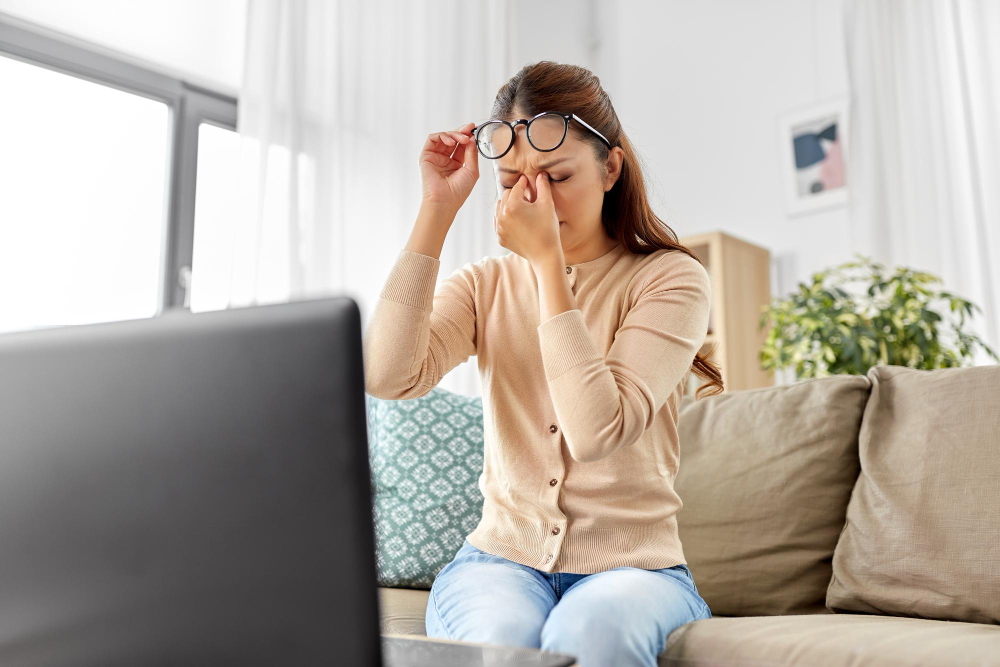
Staring at screens for long periods can cause eye strain. While it does not cause glaucoma, it can make your eyes feel tired. To reduce eye strain:
Avoiding Smoking and Excessive Alcohol
Smoking and heavy drinking can harm your eyes and increase glaucoma risk. Quitting smoking and limiting alcohol can help protect vision from glaucoma and other eye diseases.
Myths vs. Facts about Glaucoma Prevention
When to See an Eye Specialist
If you have a family history of glaucoma, are over 40, or have other risk factors, schedule regular eye exams. Additionally, see an eye specialist if you notice vision changes, eye pain, or halos around lights. Early action can help reduce glaucoma risk and protect your sight.
Conclusion
In summary, following these lifestyle tips to protect your eyes from glaucoma can make a big difference. Eat well, stay active, and get regular eye check-ups. If you have concerns about your eye health, consult an eye specialist at Arka Advanced Eye Care for personalized advice and care.