
What Is Pterygium?
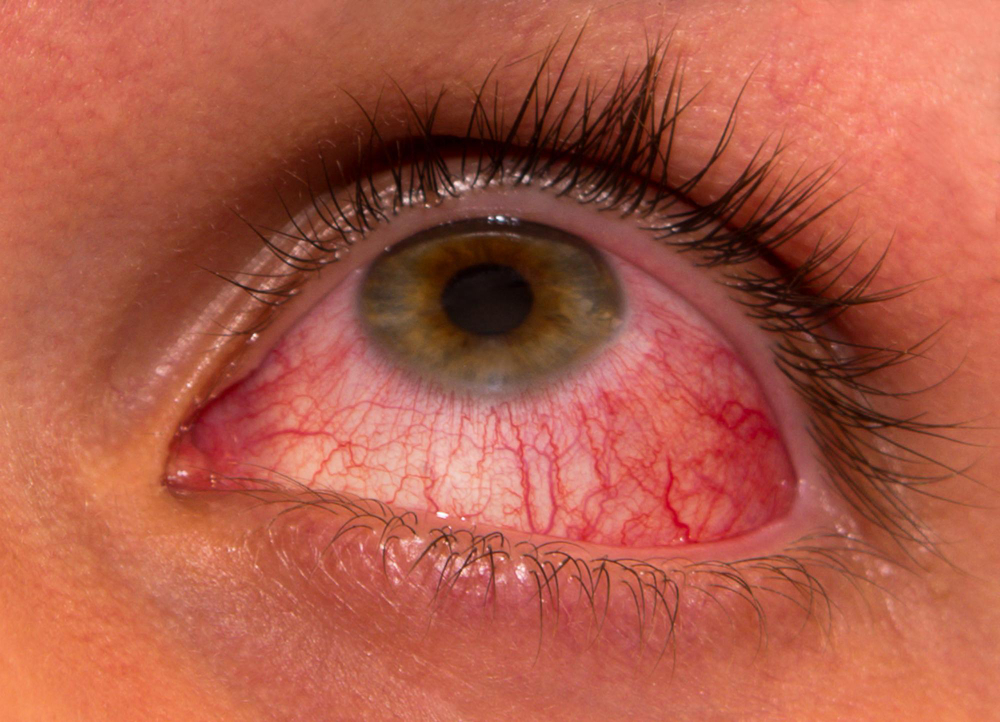
Pterygium is a growth of pink, fleshy tissue on the white part of the eye. Often, it starts near the nose and can slowly move toward the colored part of the eye. Sometimes, this growth is called “surfer’s eye.” While it is not cancer, it can cause discomfort. For example, you may notice redness, irritation, or a gritty feeling. In some cases, pterygium can blur vision if it grows over the cornea, which is the clear front part of the eye. Because it can change how your eye looks or feels, many people seek treatment.
What Is Pterygium Excision with Conjunctival Autograft?
Pterygium excision with conjunctival autograft is a common eye surgery. During this procedure, the doctor removes the pterygium from the eye. Next, a small piece of healthy tissue, called the conjunctiva, is taken from another part of your eye. Then, this tissue is placed where the pterygium was removed. As a result, the area heals better and the risk of the growth coming back is lower. Surgeons usually use tiny stitches or a special glue to keep the graft in place. Most people are awake during the surgery, but the eye is numbed so you feel no pain.
Who Needs This Surgery?
Not everyone with a pterygium needs surgery. However, doctors may suggest pterygium excision with conjunctival autograft if:
Generally, healthy adults who do not have other eye problems are good candidates. Still, your eye doctor will check your overall health before recommending surgery.
Benefits of the Procedure
Many people choose pterygium excision with conjunctival autograft because it offers several benefits. First, this method lowers the chance of the pterygium coming back. In fact, studies show it has a much lower recurrence rate than older methods. Also, the graft helps the eye heal faster and look more natural. Because the tissue comes from your own eye, there is less risk of rejection. For most, vision and comfort improve soon after surgery.
Risks and Possible Complications
Like all surgeries, this procedure has some risks. However, most are rare. Possible risks include:
To reduce these risks, doctors use clean tools and careful techniques. After surgery, you will get eye drops to prevent infection and swelling. Following your doctor’s advice helps keep problems away.
Recovery and Aftercare
After pterygium excision with conjunctival autograft, recovery is usually smooth. Most people go home the same day. For a few days, your eye may feel scratchy or watery. Usually, vision gets better within one to two weeks. During recovery, you should:
Because healing takes time, it is important to rest and avoid heavy lifting for at least a week. If you notice pain, redness, or changes in vision, contact your doctor right away.
Prevention and Eye Health Tips
Even after successful eye surgery for pterygium, you can take steps to keep your eyes healthy. For example, wearing sunglasses with UV protection helps prevent new growths. Additionally, hats with wide brims shield your eyes from the sun. Try to avoid dry, windy, or dusty environments when possible. If you work outdoors, take regular breaks in the shade. Keeping your eyes moist with artificial tears can also help. For ongoing eye health, see your eye doctor for regular check-ups. These simple steps can lower the risk of pterygium coming back, as supported by the World Health Organization and leading eye care experts.
Conclusion
If you have questions about pterygium or want to know if surgery is right for you, Arka advanced eye care is here to help. Schedule a consultation today to discuss your options and keep your eyes healthy.