
Introduction
Retinal screening tests help doctors check the health of your eyes. These tests look at the back part of your eye, called the retina. Early detection of eye diseases is possible with regular retinal screening tests. Because many eye problems do not show symptoms at first, these tests are important for everyone. Protecting your vision starts with a simple eye health checkup.
What Are Retinal Screening Tests?
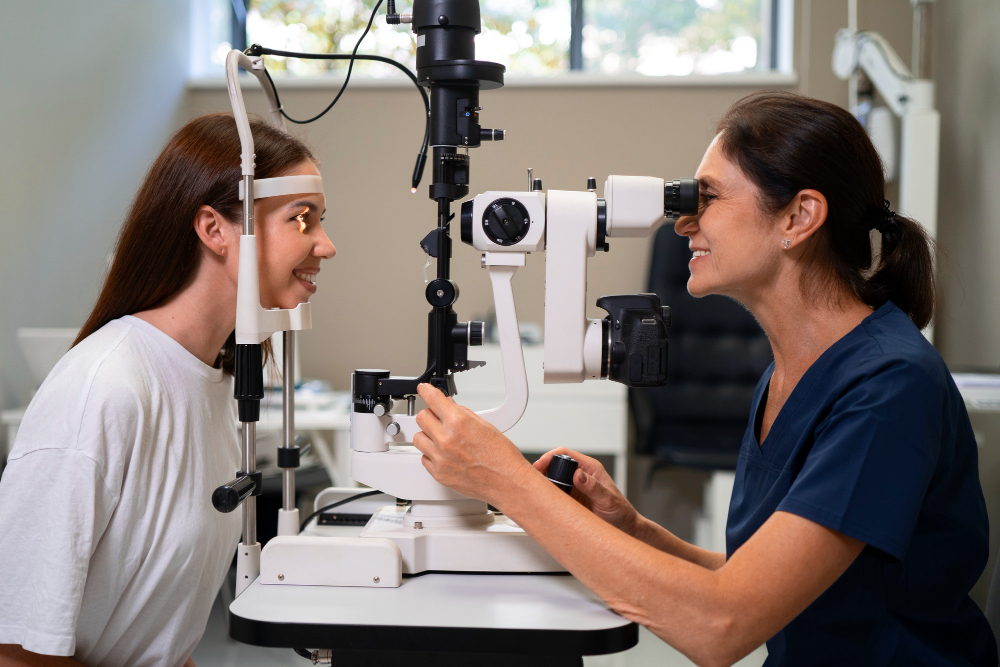
Retinal screening tests are special eye exams. They allow your doctor to see the retina, which is the thin layer at the back of your eye. The retina helps you see by sending signals to your brain. During a retinal exam, doctors look for signs of damage or disease. For example, they may check for swelling, bleeding, or changes in blood vessels. These tests are quick and painless.
Why Are Retinal Screening Tests Important?
Many eye diseases can harm your vision without warning. However, retinal screening tests can find problems early. Early detection of eye diseases like diabetic retinopathy, glaucoma, and age-related macular degeneration is possible with these exams. Because early treatment can prevent vision loss, regular screenings are vital. According to the World Health Organization (WHO), millions of people lose their sight each year from preventable causes. Therefore, regular retinal screening can help save your vision.
Who Should Get Retinal Screening?
Almost everyone can benefit from retinal screening. However, some people are at higher risk. You should get a retinal exam if you:
Even if you have no symptoms, regular screening is wise. Children and young adults may also need screening if they have certain health problems.
How Are Retinal Screening Tests Performed?
Retinal screening tests are simple and safe. Usually, the doctor will:
Sometimes, you may see bright flashes of light. However, the test does not hurt. After the exam, your vision may be blurry for a short time. Because of this, you may want to bring someone to drive you home.
Common Types of Retinal Screening Tests
There are several types of retinal screening tests. Some of the most common include:
Each test helps find different problems. Your doctor will choose the best test for you.
Benefits and Limitations
Retinal screening tests offer many benefits. For example, they help with early detection of eye diseases. They also allow for quick treatment, which can prevent vision loss. In addition, these tests are painless and usually take only a few minutes.
However, there are some limitations. Sometimes, the tests may not find every problem. Also, you may need more tests if your doctor sees something unusual. Despite these limits, the benefits of regular screening are much greater than the risks.
Tips for Eye Health and Prevention
Keeping your eyes healthy is important. Here are some tips to help you:
Because prevention is better than cure, these steps can help keep your vision clear.
Conclusion
In summary, retinal screening tests are a key part of eye health. They help with early detection of eye diseases and protect your vision. If you have not had a retinal exam recently, consider scheduling one soon. For personalized advice, consult an eye specialist at Arka advanced eye care. Your vision is precious—take steps today to keep it healthy.