
What Is Retinal Detachment?
Retinal detachment is a serious eye condition. It happens when the retina, a thin layer at the back of your eye, pulls away from its normal spot. Because the retina helps you see, this problem can lead to vision loss. Early treatment is important. According to the World Health Organization, quick care can save your sight. Many people worry about eye health, so knowing about retinal detachment is helpful.
Common Symptoms and Warning Signs
It is important to notice the signs of retinal detachment early. This can help you get treatment fast. Watch for these warning signs:
Sometimes, these signs appear quickly. If you notice any of them, seek help right away. Early action can make a big difference.
Causes and Risk Factors
Several things can cause retinal detachment. Some people are at higher risk than others. Here are common causes and risk factors:
Because some risks cannot be changed, regular eye check-ups are important. This helps catch problems early.
How Retinal Detachment Is Diagnosed
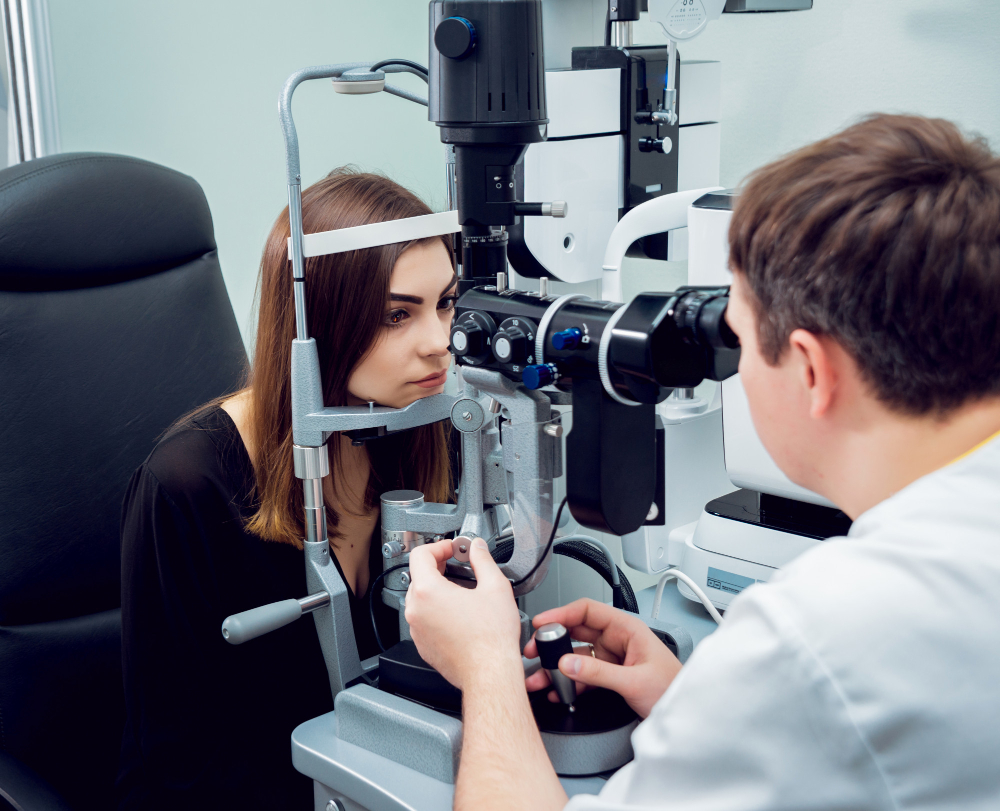
Doctors use simple tests to find retinal detachment. First, they ask about your symptoms. Next, they look inside your eye with special tools. Sometimes, they use ultrasound if the view is not clear. These steps help your doctor see if the retina has pulled away. Early diagnosis gives you the best chance for good results. According to the CDC, regular eye exams help spot problems before they get worse.
Surgical Treatment Options
Retinal detachment surgery is the main way to fix this problem. There are different retinal detachment treatment options. Your doctor will choose the best one for you. Common surgeries include:
Each surgery has its own steps and recovery time. Your eye specialist will explain what to expect. Most people need surgery soon after diagnosis. This helps protect their vision.
Recovery and Aftercare
After retinal detachment surgery, you need to follow your doctor’s advice. Recovery can take several weeks. Here are some tips for aftercare:
Because healing takes time, be patient with your progress. Most people see improvement in their vision after surgery. However, some may need more than one treatment.
Prevention Tips
While not all cases can be prevented, you can lower your risk. Here are some ways to protect your eye health:
Because early action is key, always pay attention to changes in your vision.
If you notice any symptoms of retinal detachment, consult Arka Advanced Eye Care immediately for personalized care.